The Ultimate Guide to the Cheapest E-Commerce Website Design
Intro:
In the digital age, having an online store is no longer a luxury reserved for big brands—it’s a necessity for every small business owner, artisan, and entrepreneur. However, the biggest hurdle for most beginners is the perceived cost, which is why many people start searching for the cheapest ecommerce website design to launch their business without breaking the bank.
The Truth About Ecommerce Costs
You might hear stories of companies spending lakhs on custom websites, but here is the truth: You can start a professional store with Affordable Ecommerce Website Design strategies.
What You’ll Learn in This Guide
In this guide, we will break down what an e-commerce website is, explore the cost tiers from ₹2,000 to ₹20,000, and help you choose the Cheapest Ecommerce Website Design method to launch your business without breaking the bank.
What is an E-Commerce Website?
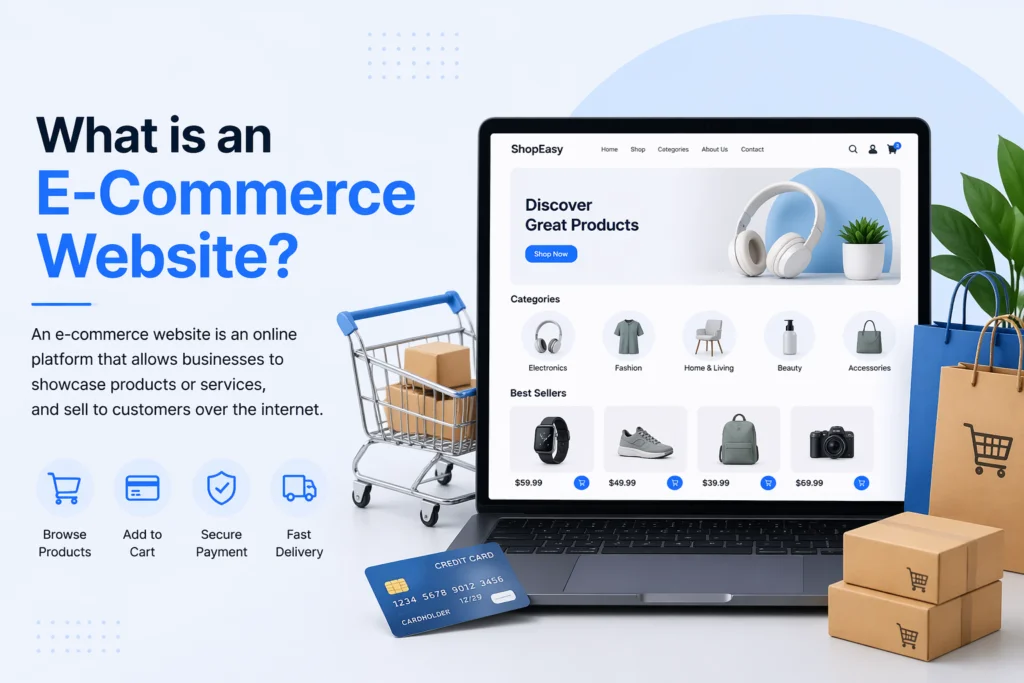
Before diving into the costs, let’s define what we are building. An e-commerce website is a digital storefront that allows you to buy and sell products or services online.
Unlike a simple website, an e-commerce site includes:
- Product Catalog
- Shopping Cart
- Payment Gateway
- Order Management
If you’re aiming for a Low Cost Ecommerce Website Development, understanding these basics is important before investing.
Cost Breakdown:
How much you spend depends on how much “sweat equity” (your own time) you are willing to put in. Here is how the budget levels look in the Indian market:
Ultra-Budget Tier
This is perfect for a Budget Ecommerce Website Design approach
- Setup: Using WordPress with the free WooCommerce plugin.
- Domain Name: (.com or .in).
- Hosting: (Entry-level shared hosting like Hostinger or Bluehost).
- Theme/Design: Using free themes like Astra or OceanWP.
- Who is it for? Hobbyists or those with zero capital who are willing to watch YouTube tutorials to set it up.
- Professional Starter Level for Small Business
At this level gives you a more Economical Ecommerce Website Design Services feel with better design and trust.
- Setup: WordPress + WooCommerce or a basic Shopify plan (for the first few months).
- Premium Theme:(One-time cost for a polished, fast-loading design).
- Essential Plugins: Some paid plugins for GST billing or WhatsApp integration.
- Who is it for? Small businesses that want to build trust and offer a smooth user experience.
- Growth Tier for Scaling
It is ideal if you’re searching for the Best Cheap Ecommerce Website Builder experience without doing everything yourself.
- Freelancer Fee: You can hire a budget-friendly freelancer to set up the site for you.
- Marketing Tools: Budget left over for basic SEO tools or email marketing setups.
- Who is it for? Busy entrepreneurs who want a “ready-to-use” store without technicalv headaches.
Perfect for startups and small business owners looking for the cheapest ecommerce website design without compromising on quality.
Free vs. Paid Options: The Reality Check
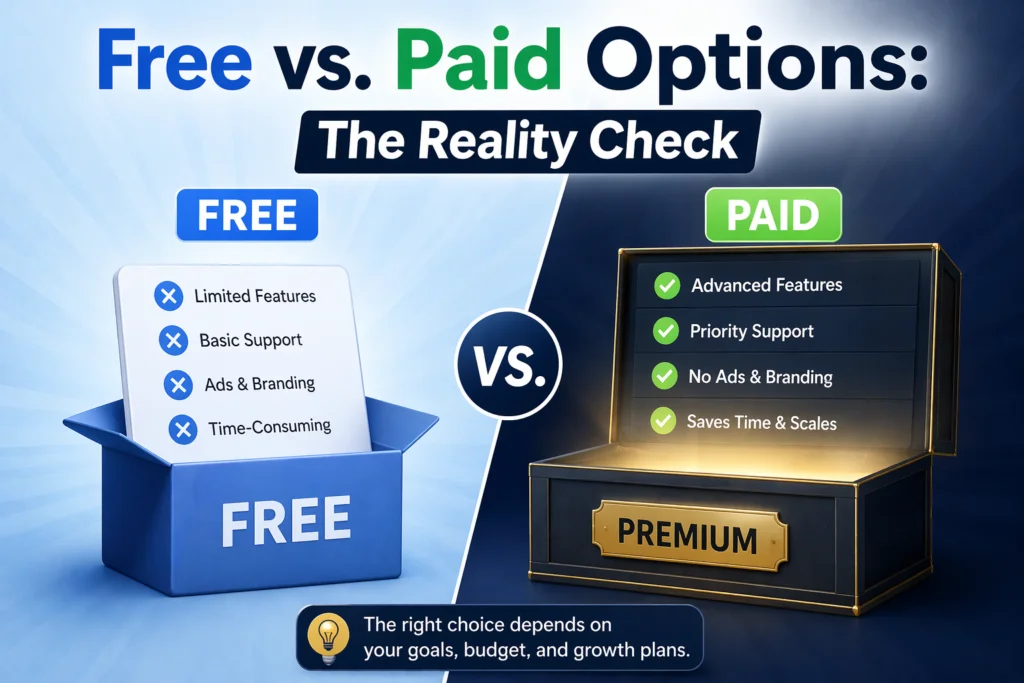
Free tools like WooCommerce are great for Cheapest Ecommerce Website Design, but they still require hosting and domain.
Free Options (Open Source)
- WooCommerce (WordPress): The software itself is free. However, you must pay for hosting and a domain. It is the most customizable option but has a steeper learning curve.
- Social Media Selling: Technically free (selling via Instagram DMs or WhatsApp), but it’s hard to scale and doesn’t look professional.
Paid Options (SaaS – Software as a Service)
- Shopify / Wix: You pay a monthly subscription.
- Pros: They handle the security, hosting, and technical maintenance. It’s “plug and play.”
- Cons: Over time, this is the most expensive method. If you stop paying the monthly fee, your website disappears.
The Best Method for Beginners: The “Hybrid” Path
If you are a beginner looking for the cheapest yet most reliable method, I recommend the WordPress + WooCommerce route. Here is why:
- Ownership: You own your data. Unlike Shopify, nobody can delete your store or raise your monthly rent.
- Scalability: You can start with a ₹2,000 investment and, as your business grows, add features that make it look like a ₹50,000 site.
- No Monthly Fees: Aside from yearly hosting (approx. ₹250/month), you don’t have to pay a platform fee.
Step-by-Step for Beginners:
- Buy a Domain: Use a site like Namecheap or GoDaddy.
- Get Shared Hosting: Choose a provider that offers “One-click WordPress install.”
- Install WooCommerce: It’s a free plugin that turns your blog into a store.
- Use Razorpay/Instamojo: These are Indian payment gateways that are free to set up (they only take a small % of each sale).
Key Tips to Keep Costs Low
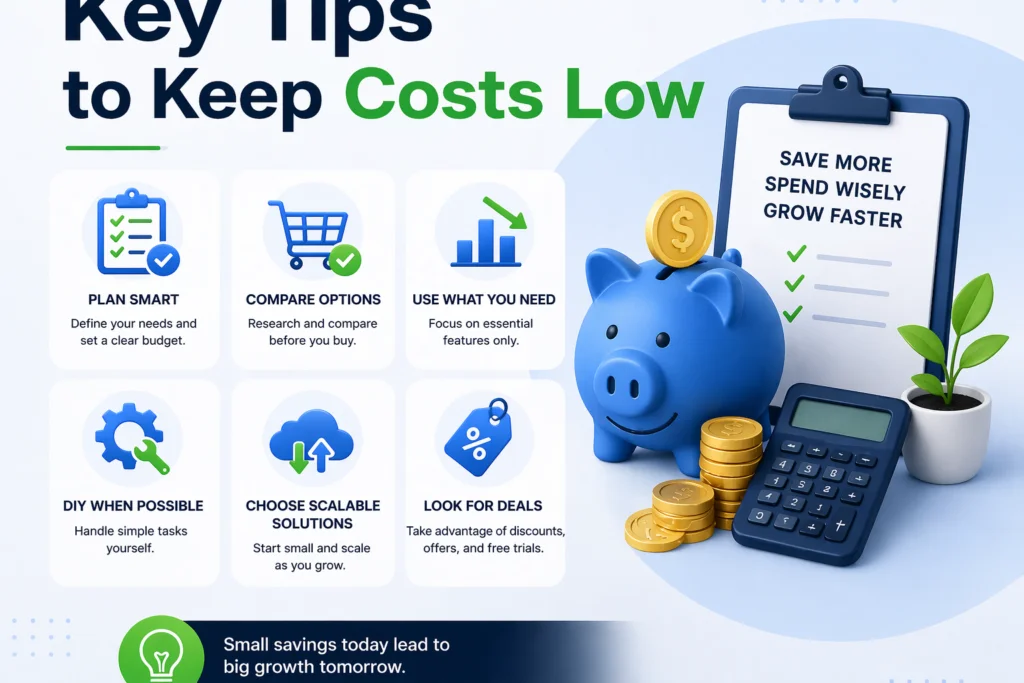
- Don’t Hire an Agency Early: Most agencies charge for their brand name. For your first store, a freelance developer or a DIY approach is 10x cheaper.
- Use Free Images: Use sites like Unsplash or Pexels for your banners instead of hiring a photographer immediately.
- Focus on Mobile: 90% of your Indian customers will shop via phone. Make sure your “cheap” design works perfectly on mobile; don’t worry too much about the desktop view.
- Start Small: Don’t list 1,000 products on day one. Start with 10 best-sellers to keep the design simple and clean.
Conclusion
Building an e-commerce website doesn’t require a loan. If you have ₹2,000 to ₹5,000 and a weekend to learn, you can launch a site that competes with the best. If you have a slightlyhigher budget of ₹15,000, you can have someone build it for you while you focus on sourcing products.
You can read more of our article about ecommerce website on our social media marketing section
The “Cheapest” website isn’t the one that costs zero rupees—it’s the one that provides the most value for every rupee spent. Start small, keep your overheads low, and reinvest your profits back into your website’s growth.
Ready to start your journey? Check out our complete guide on website development in Jaipur for beginners and pick your budget to take the first step today!